Last week, I sat with a patient who had recently lost a child. “I feel like a part of my body has been cut off,” she said. It is hard to hold such a loss, even for therapists. Words tend to fail us in the face of unbearable grief. I took a deep breath and invited her to lie down for an energetic healing session, a space where body, mind, and soul could breathe together and meet grief as it truly is.
As our session drew to a close, I found myself inviting her to recite a version of the Metta Meditation, the loving-kindness meditation from Buddhism. I asked her, in the midst of processing her unbearable loss, to step back and send love and compassion to other living beings. The instruction was spontaneous, intuitive. Yet as the words left my mouth, I was confused. Why was I doing this? Why was I asking someone drowning in grief to extend kindness outward?
That session stayed with me for days. I didn’t fully understand why until I put my three-year-old son to sleep.
A Three-Year-Old’s Wisdom
There is a saying that babies and children are little buddhas, that the vast knowledge of the universe is somehow within them as they transform from eternal beings into the mortal humans they become when born into the world. In Jewish tradition too, there is a beautiful recognition of the spiritual purity of children. Some teachings even suggest that young children still remember their pre-birth existence in the presence of God, making them vessels of sacred wisdom we have forgotten.
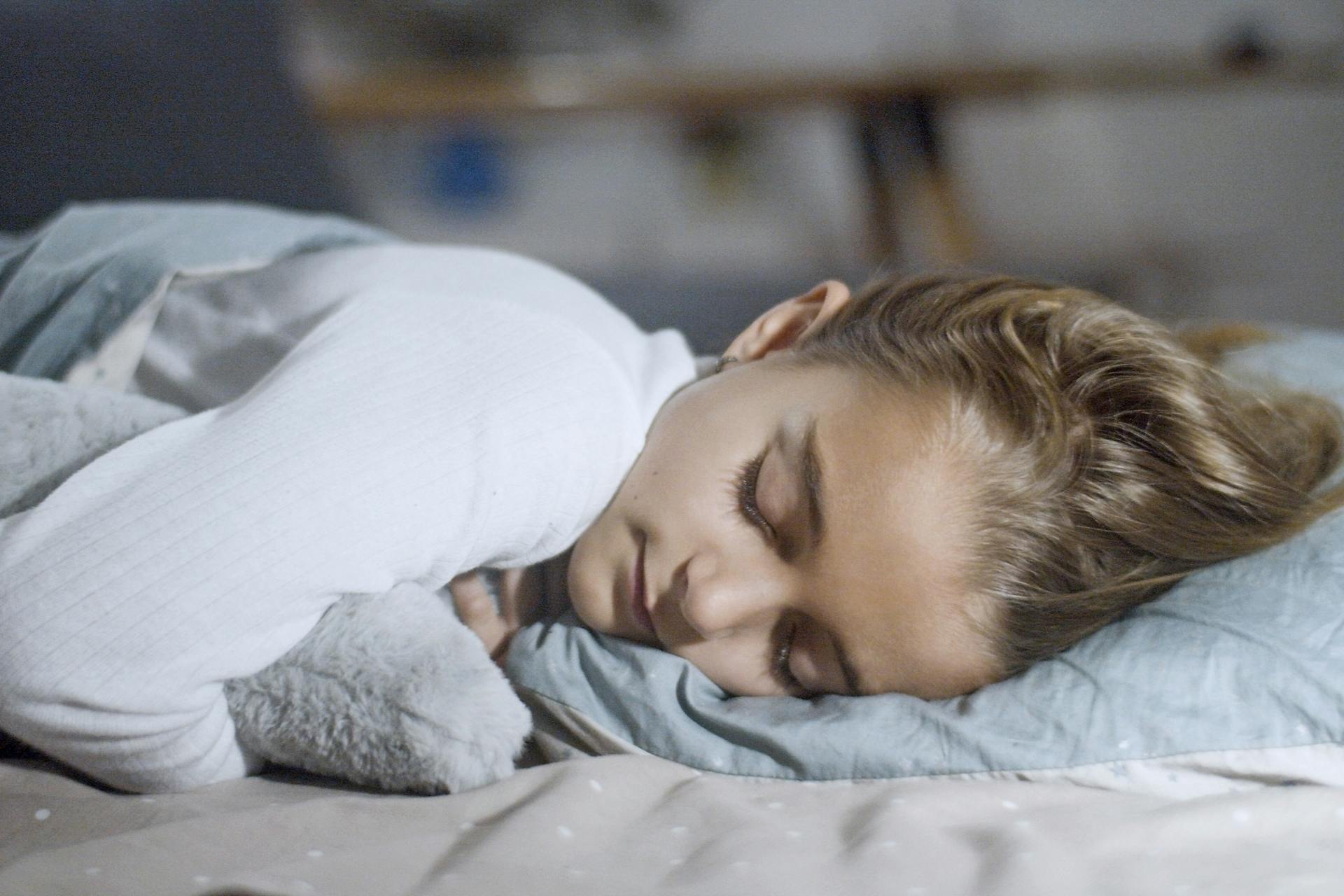
As I put my son to sleep, I felt this sacred nature. After a calm bedtime routine of books and hugs, we turned the light off and said good night. As we lay together in the dark, something unexpected happened. Since he was a newborn, his father and I have hummed “Om Mani Padme Hum,” the Tibetan Buddhist mantra of compassion, as we help him fall asleep. That night, he started humming it himself, changing the words and adding his own name, sending himself love and kindness. Then, one by one, he recited the mantra with the names of the members of our family: “Om Mani Sweet Daddy,” then “Om Mani Sweet Mommy.” He didn’t stop there. He named his friends from kindergarten, followed by his friends’ mommies and daddies.
As I listened to my son chant his version of Om Mani in his dark bedroom, my heart filled with love and compassion. I heard the joy in his voice as he sent love and kindness to his family and friends. And suddenly, I understood something about my practice as a therapist that perhaps I hadn’t fully understood until my son taught me. I understood why I invite my grieving clients to practice Metta meditation.
What Is Metta Meditation and How Does It Support Healing?
Metta meditation, or loving-kindness meditation, is an ancient Buddhist practice that involves directing feelings of goodwill, kindness, and warmth toward ourselves and others. The practice typically begins with cultivating loving-kindness toward yourself, then gradually extending it outward in widening circles: to loved ones, to neutral people, to difficult people, and finally to all living beings.
Traditional Metta meditation uses phrases like “May I be happy, may I be healthy, may I be safe, may I live with ease,” then replaces “I” with others: “May you be happy, may you be healthy, may you be safe, may you live with ease.”
What makes this practice particularly healing in moments of deep suffering is its gentle redirection of attention. When we are consumed by grief or pain, our world can contract to the size of our wound. Metta meditation doesn’t ask us to deny or diminish our suffering. Instead, it invites us to recognise that even in our darkest moments, we remain connected to a shared human experience of both suffering and love.
By extending compassion outward, we paradoxically find our way back to self-compassion. We remember that we are not alone in our pain, that the capacity for love still exists within us even when we feel broken. The simple act of wishing wellness for others, even when we ourselves are struggling, can create a small opening in the wall of grief: a reminder that our hearts, though wounded, are still capable of tenderness.
This is what my three-year-old son understood intuitively as he lay in his dark bedroom, spontaneously creating his own Metta practice.
Healing in the Hospital: When Words Are Not Enough
My work as a therapist brings me to hospital rooms where patients lie for days, weeks, sometimes months in physical and emotional pain, attached to cables and pumps and life-saving machines. Often, finishing a sentence without interruption is difficult. I practise healing meditation with these patients to reconnect them with a sense of themselves and their “inter-being,” Thich Nhat Hanh’s term for our interconnection with all life, despite the circumstances of their illness.
People ask me about what I do: “Does it work?”
I often wonder what they mean. Whether I heal, or matter. What works.
A patient I treated at Ichilov Hospital wrote something after our healing session that helped me understand. She described how gentle streams of energy moved through her body during our work together. “Something calmed in me. Something quieted,” she wrote. “And my heart? It was as if it took a deep breath.”
She explained that healing isn’t magic or a substitute for medicine. “But it softens, it envelops, it allows the body a moment of relief and the heart a drop of peace. And sometimes, in difficult moments, that is an enormous gift.”
The Paradox of Compassion in Grief Therapy
Compassion is not about the erasure of pain, but the softening of it. Not the elimination of grief, but the reminder that even in the midst of it, we can still access moments of peace, stillness, and connection. When I invite my patients to practise Metta meditation at the end of our healing sessions, to send love and kindness outward even as they struggle with unbearable loss or illness, I am offering them what my son spontaneously discovered in his dark bedroom: that the act of loving itself is healing. That when we extend compassion to others, we remember our own humanity. That our hearts, no matter how broken, remain capable of tenderness.
The machines will keep beeping. The grief will still be there. The illness doesn’t disappear. But for a moment, just a moment, there is quiet. There is breath. There is the recognition that we are still here, still connected, still able to wish wellness for ourselves and others.
Sometimes, that moment is everything.
My three-year-old son didn’t need anyone to teach him this. He knew it instuitively, the way all children seem to know the things we adults have forgotten. He started with himself because self-compassion is where healing begins. Then he moved outward in widening circles, just as the traditional Metta practice instructs, reaching everyone he loves with his small, pure voice in the darkness.
This is the simple truth of Metta meditation: it works not by making our pain disappear, but by reminding us that love exists alongside it. That even in our darkest moments, we remain capable of both receiving and giving compassion. That the heart, as Edna wrote, can still take a deep breath.
And sometimes, in difficult moments, that is an enormous gift.
If you are working with grief or loss and looking for support, you can find a therapist on It’s Complicated who works with bereavement, trauma, and the kind of pain that doesn’t fit neatly into words.
Try This: A Simple Loving-Kindness Practice
Close your eyes and place a hand on your heart. Take a few conscious breaths, grounding yourself in the moment. After a few minutes of quiet connection with yourself, noticing the sensations present in your body, you may begin:
Recite silently or aloud: “May I be safe. May I be peaceful. May I be happy. May I be kind to myself.”
Repeat until you feel settled. Then begin extending loving-kindness outward:
Start with someone you love easily: a partner, child, friend, or parent.
Then send loving-kindness to someone neutral, perhaps a colleague you passed recently or the barista who makes your coffee.
Finally, practise sending loving-kindness to someone more challenging.
With each step, notice what shifts inside you.
