2026 AI in Therapy Report
The Third in the Room
of clients and therapy seekers would still choose a human therapist, even if AI could match one. Yet more than half already turn to AI for their mental health.
Key findings
Top findings for
From our founders
“Almost half of the clients who use AI find it easier to open up to a chatbot than to a therapist. That deserves our curiosity, not our defensiveness.”
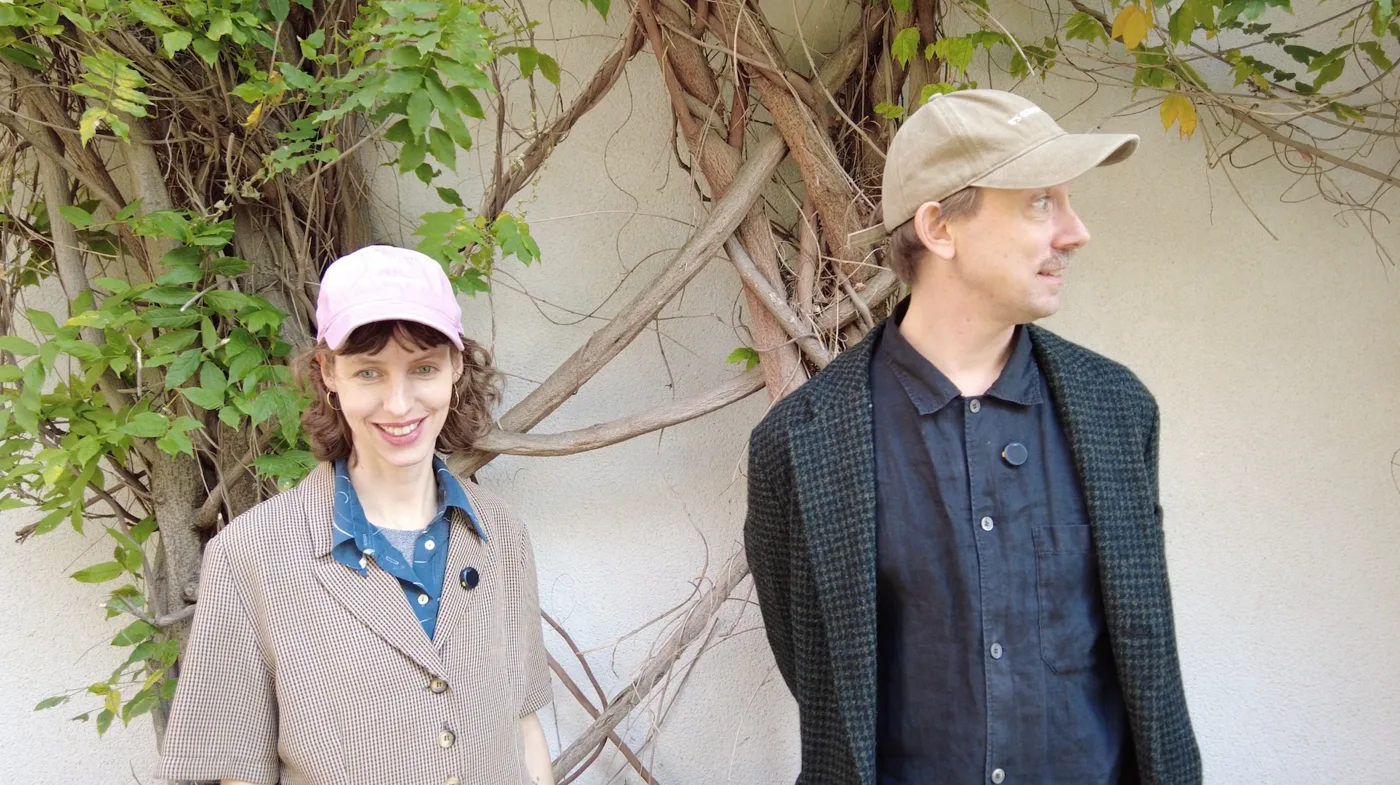
When we started It’s Complicated in Berlin in 2019, we wanted to make it easier to find the right therapist. With AI entering the conversation, it has also become important to put humans first: technology should serve the therapeutic relationship, not the other way round.
Johanne Schwensen, Chief Clinical Officer and Clinical Psychologist
Jakob Lusensky, Jungian Psychoanalyst
Founders of It’s Complicated
Two sides of the same room
What clients say vs what therapists say
Most surveys ask one side. We asked both, so you can see where clients and therapists agree, and where they don't.
In their words
While I freely use AI for support there’s clearly a contradiction that I wouldn’t want a therapist to use it.
I’m conflicted. I’ve recently started asking clients explicitly how they are using it in their lives as I was aware that I did not know. […] As let’s face it, it’s already in the room.
Opening a chat requires a heck of a lot less executive function than trying to schedule an appointment with a human.
As a professional, I know it is not better than a real human, but how could someone who has never been to therapy know that?
A bot is great to dump your thoughts, get some comfort through that, but it is easy to get stuck in a rumination loop.
Human interaction is pretty fundamental for me. It’s not just what I say and share, it’s what’s asked of me and what I’m thinking. AI is lacking on this front.
Inside the report
Four parts, two take-home guides
 01
 02
 03
 04
Expert perspectives

Are we repeating social media’s mistakes?
“Social media promised connection and delivered polarisation, driven largely by profit. AI repeats the pattern: giving it an ‘I’ and making it sycophantic serves engagement more than health.”

What we bring as humans
“Human therapists bring embodiment, shared context and a relationship with a history. We should remain open to uses that benefit clients and support our clinical workflows, without overestimating AI’s capabilities or diminishing what we bring as humans.”
Curious? Read the full report
About the research
Press
Charts from the report can be reused with credit to It's Complicated.It’s Complicated (2026). The third in the room: When AI enters the therapeutic relationship. 2026 AI in therapy report. complicated.life/ai-report-2026Media enquiries: press@complicated.lifeReport by Christel Price, Community & Learning Design Lead, with Johanne Schwensen, Co-founder and Chief Clinical Officer, and Jakob Lusensky, Co-founder.
Expert contributions by Lea Maria Schäfer (Clinical Psychologist and AI in Therapy Researcher) and Dr Aaron Balick (psychotherapist and author).